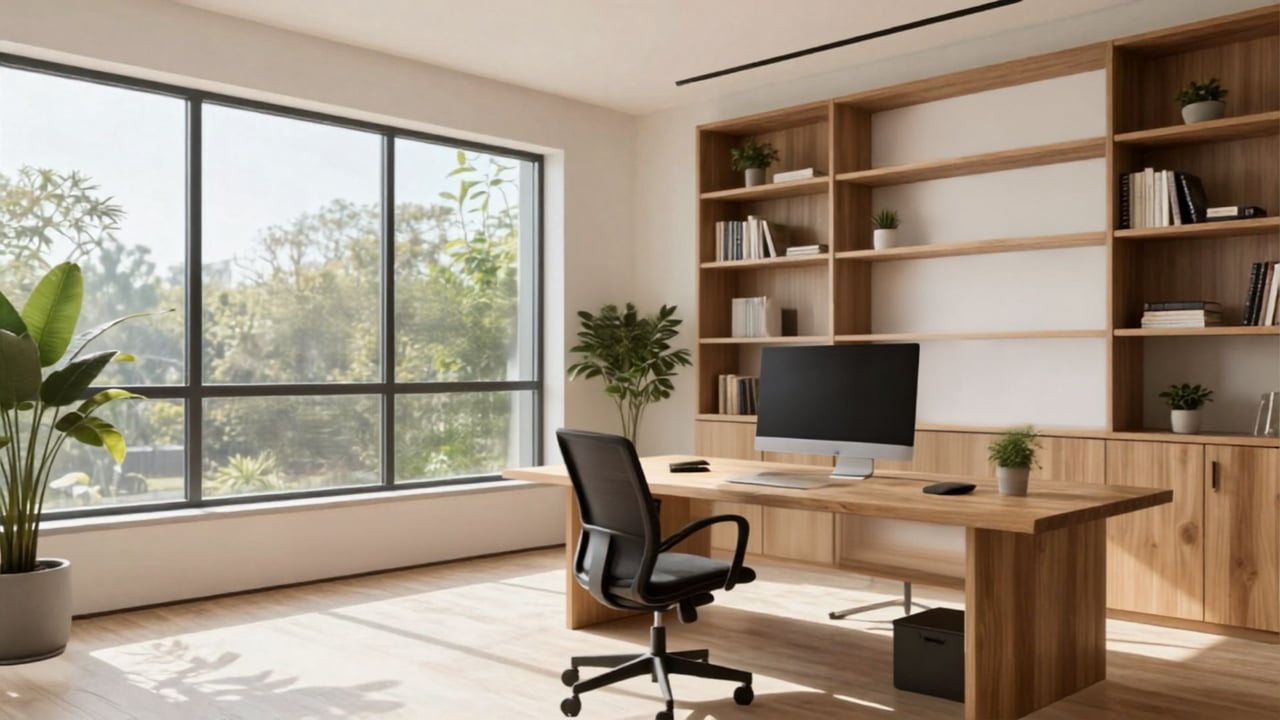
Remember when we all thought working from home was a temporary two-week adventure? Fast forward to today, and hybrid work is just how we do things.
But let’s be honest: there’s a massive difference between a workspace that simply "works" and one that actually makes you feel inspired, focused, and professional. If you are still working from a makeshift setup—or if your current office feels more like a chaotic storage closet—it might be time for a glow-up.
Whether you’re setting up a space to enjoy for years to come, or you’re a home seller looking to stage your property to appeal to today’s flood of remote buyers, designing the perfect hybrid workspace is one of the smartest upgrades you can make.
Here is how to design a modern, distraction-free home office that looks as good as it functions.
1. Master the "Three-Point" Lighting Rule
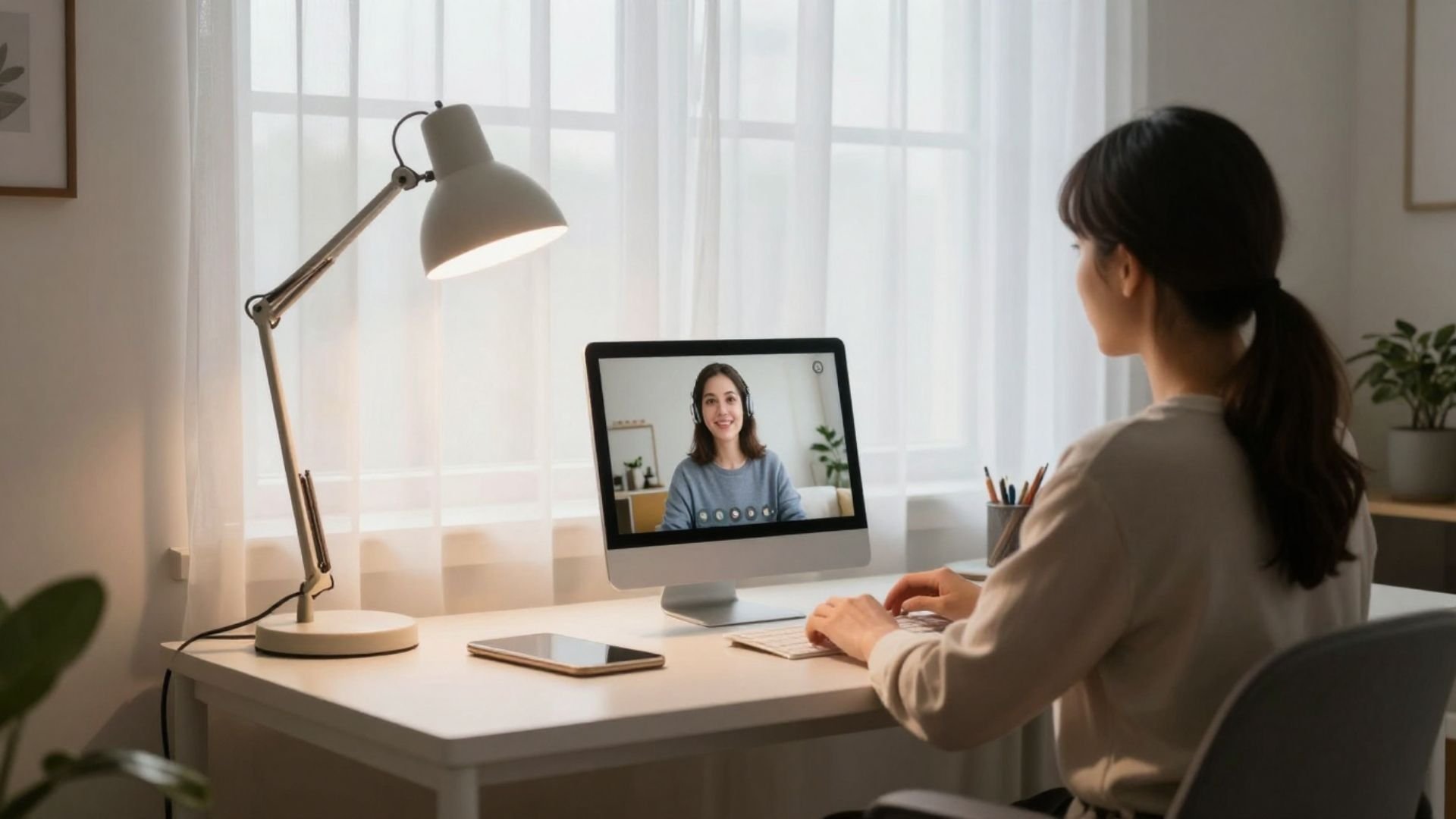
Bad lighting doesn’t just strain your eyes; it also makes you look like a shadow figure in a mystery documentary on your morning Zoom calls. To fix this, think like a photographer:
- Natural Light is King: Position your desk to face a window, or have the light hit your side. Avoid sitting directly in front of a bright window, which creates a harsh "halo" effect and turns you into a silhouette.
- The Power of Diffusion: If your desk faces a window, use sheer curtains to soften the glare.
- Add a Warm Fill Light: Place a desk lamp at a 45-degree angle to your face. Keep the bulb temperature around 3000K to 4000K (neutral white) to look natural on camera without feeling like a sterile hospital wing.
2. Claim Your Privacy (Even Without a Dedicated Room)
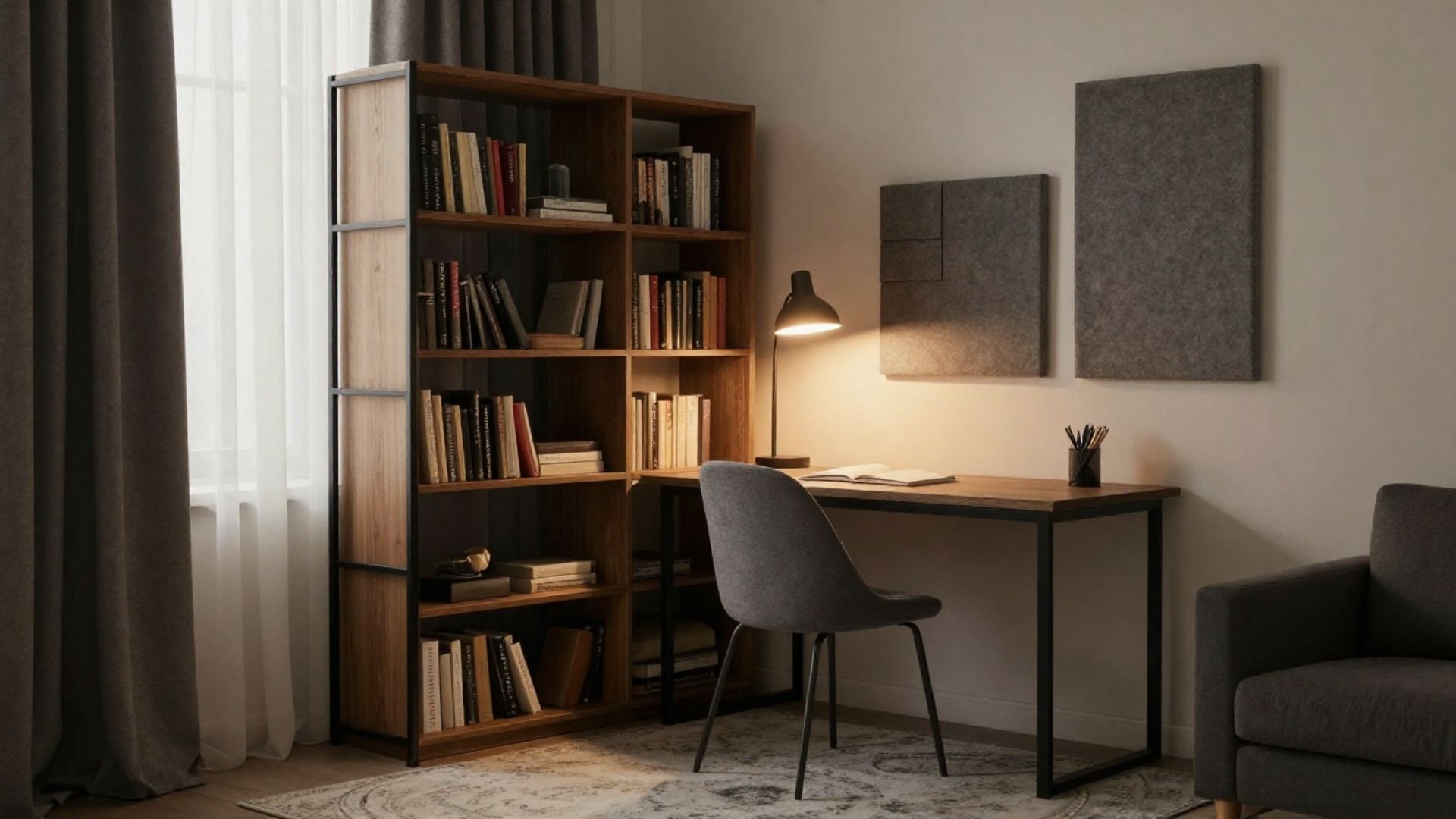
Not everyone has a spare bedroom to convert into an executive suite, and that is okay. You can still create a "privacy bubble" in a shared space:
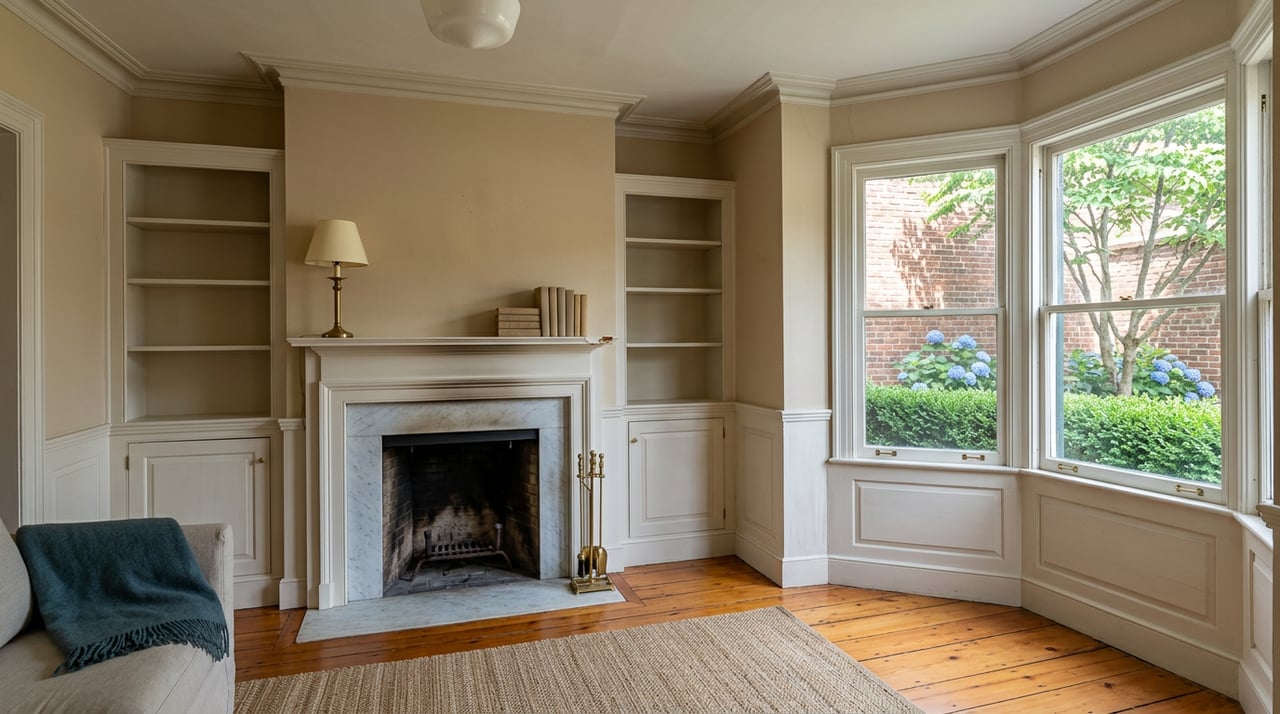
- Visual Boundaries: Use tall bookcases, open shelving units, or modern folding screens to physically partition your desk from the rest of the room. This tells your brain (and your family) that you are "at work."
- Acoustic Tricks: Soften the echoes of typing and talking by adding a thick area rug, plush curtains, or decorative felt acoustic panels on the wall.
- The "Do Not Disturb" Cue: A simple, stylish sign or a specific desk lamp turned on can act as a silent signal to kids or roommates that you’re in deep-focus mode.
3. Curate a Professional Backdrop (No Fake Virtual Backgrounds Allowed)
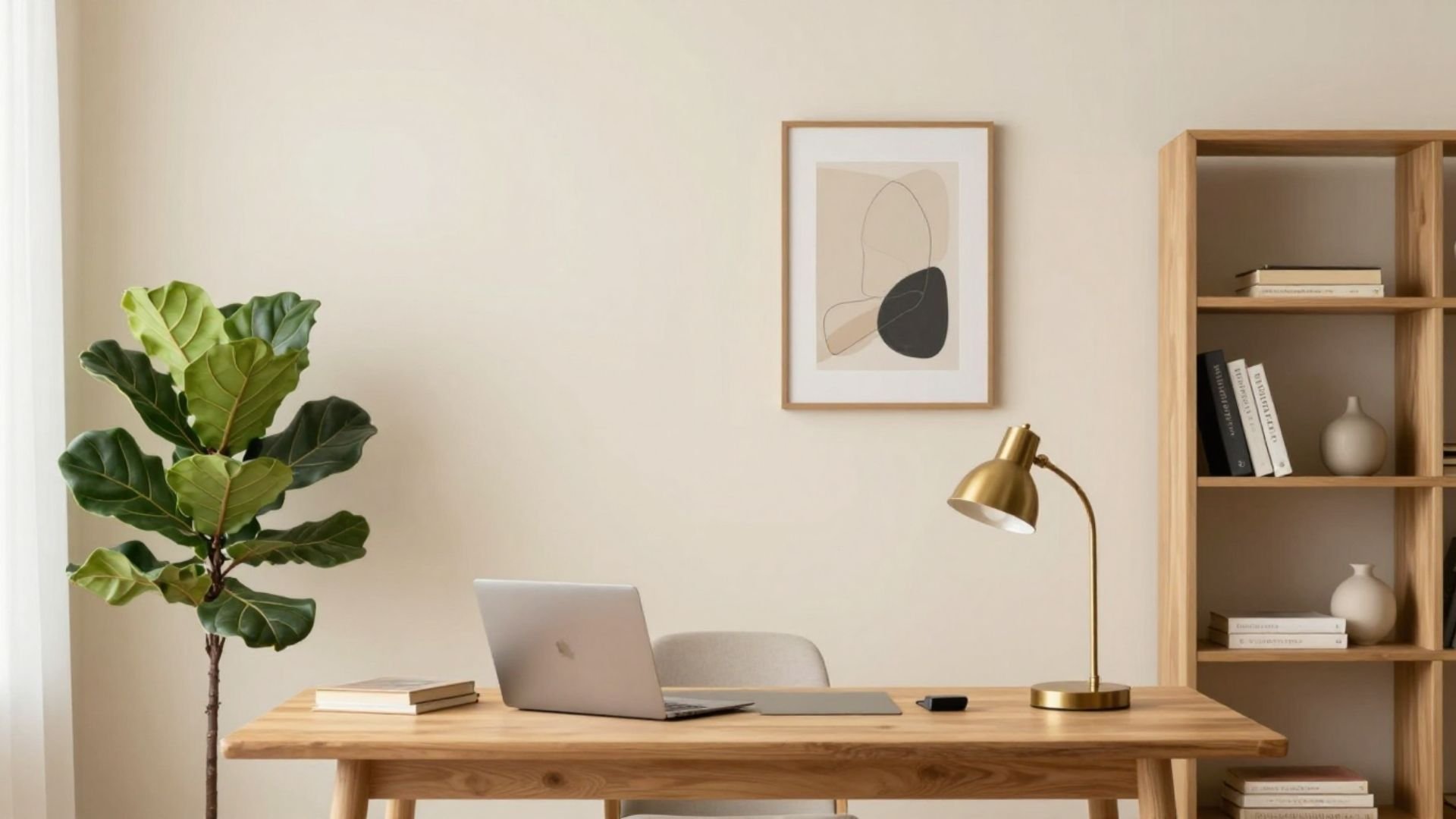
We’ve all seen the glitchy virtual beach backgrounds where someone’s ear occasionally disappears. A real, curated backdrop feels warmer, more authentic, and highly professional.
- The 60-30-10 Rule: Keep your background simple. Aim for 60% neutral wall space, 30% structured texture (like a neat bookshelf, a large plant, or clean wooden paneling), and 10% personality (a single piece of framed art or a sleek task lamp).
- Clear the Clutter: If it doesn’t look good on camera, hide it. Invest in closed cabinetry or stylish baskets to tuck away cords, papers, and charging bricks.
- Go Green: A leafy plant (like a Fiddle Leaf Fig or a Monstera) in your background instantly adds life, movement, and a high-end feel to your workspace.
Why This Matters (Especially If You're Moving Soon)
For buyers searching for their next home, a dedicated, well-designed home office is no longer a "nice-to-have"—it's often a non-negotiable dealbreaker.
If you are thinking about selling your home in the near future, staging a corner of a guest bedroom or a nook in your living room as a high-functioning hybrid office can instantly increase your home’s perceived value. It helps buyers visualize exactly how they’ll live and work in the space.
And if you’re a buyer struggling to find a home with the right layout to accommodate your hybrid lifestyle, sometimes all it takes is a little creative spatial planning to unlock a property's hidden potential.
#HomeOfficeDesign #HybridWork #InteriorDesignTips #HomeImprovement #WFHSetup #WorkFromHome #RealEstateTips #HomeStaging #WorkspaceInspiration #ModernLiving