Wondering what it really takes to sell your home well in Stratford right now? You are not alone. If you want to attract serious buyers, protect your timeline, and avoid last-minute surprises, the right prep matters just as much as the day your home hits the market. This guide walks you through the local essentials so you can plan with confidence. Let’s dive in.
Why Stratford attracts buyers
Stratford offers a mix of convenience and lifestyle that appeals to a wide range of buyers. The town has Metro-North service at the Stratford Train Station, Amtrak connections, Greater Bridgeport Transit, and access to I-95, Route 8/25, and the Merritt Parkway. That makes commute access a real advantage when you prepare your home for sale.
Stratford also offers strong shoreline appeal. The town highlights two public bathing beaches, five marinas, several fishing piers, and two public boat-launching facilities. Seasonal community events like summer concerts, fireworks, Blues on the Beach, and Restaurant Week help reinforce that Stratford is more than a pass-through town.
That local story matters because buyers do not purchase a house in isolation. They are also buying into a routine, a location, and a way of living. When your home is presented well, it can connect naturally to what buyers already like about Stratford.
What the Stratford market suggests
Recent market data points to an active environment, but not one where sellers can skip the basics. In May 2026, Stratford had 208 homes for sale, a median listing price of $469,900, a median sold price of $430,000, a median of 24 days on market, and a 100% sale-to-list price ratio. Realtor.com also labeled Stratford a seller’s market.
Other data shows buyers are still moving quickly when the home and price make sense. Zillow reported an average Stratford home value of $465,947, up 4.5% year over year, with homes going pending in around 10 days. At the state level, Connecticut single-family median sale prices rose to $510,000 in May 2026, while inventory was flat and closed sales were down.
The takeaway is simple. Stratford homes can sell well, but preparation and pricing still matter. Buyers are comparing condition, location, and value closely, especially when they can choose from different neighborhoods and property types within town.
Price by micro-market, not just town average
One of the biggest mistakes sellers make is relying too heavily on broad townwide numbers. Stratford includes neighborhoods and areas with meaningful price differences, including South End, Oronoque Village, Lordship, and Stratford Center Historic District. That makes hyperlocal pricing especially important.
A home near the shoreline may need a different positioning strategy than a condo in a common-interest community or a single-family home in another part of town. Even homes with similar square footage can perform differently based on location, updates, layout, and outdoor space. Your pricing strategy should reflect what buyers are paying for homes most like yours, not just what the town average says.
Start with curb appeal
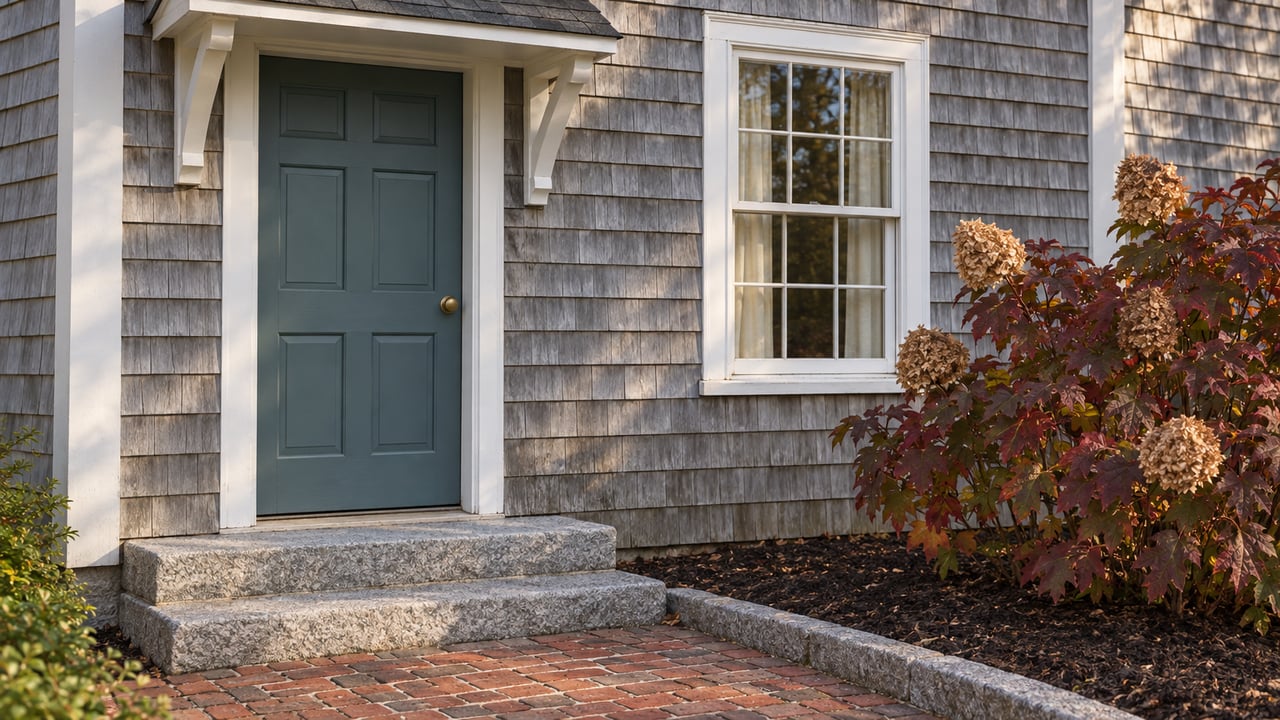
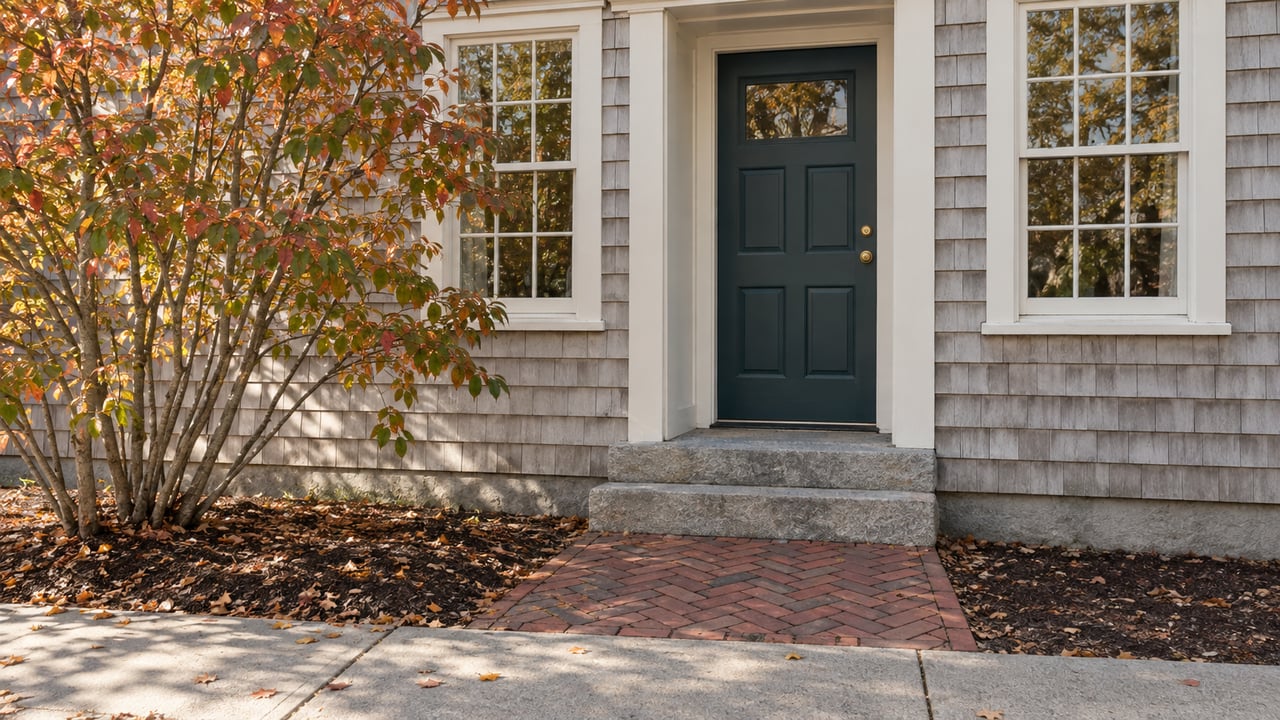
First impressions still carry a lot of weight. Buyers often form an opinion before they step through the front door, and listing photos usually begin outside. In Stratford, where buyers may care about outdoor living, shoreline access, or a smooth daily commute, the exterior helps frame the whole showing.
Focus first on the entry, porch, driveway, siding, lighting, and landscaping. A neat front door area, trimmed plantings, and a clean walkway can make the home feel cared for right away. Simple touches like a fresh doormat or a few potted plants can help without making the home feel overdone.
If you have usable outdoor space, treat it as part of the listing story. A small patio, porch seating area, or tidy backyard can help buyers picture how they would use the home day to day. In Stratford, that connection to outdoor enjoyment can be especially relevant.
Make the inside feel clean and clear
Inside the home, the goal is not to impress buyers with your style. The goal is to make the home easy to understand and easy to imagine living in. That usually means deep cleaning, reducing visual clutter, and creating a calm, neutral look.
The National Association of REALTORS’ 2025 staging guide found that 83% of buyers’ agents said staging makes it easier for buyers to visualize the property as a future home. The same guide reported that 29% said staging increased dollar value offered by 1% to 10%, and about half of sellers’ agents said staging reduced time on market.
In practical terms, that means removing bulky furniture, packing away highly personal items, brightening rooms, and using simple bedding and towels. If you have a flex room, make its purpose clear in photos and in person. Buyers respond best when rooms feel spacious, useful, and easy to read.
Highlight how the home lives
The most effective prep is about more than appearance. It should also show how the home functions. In Stratford, where buyers may value commute convenience, water access, and neighborhood fit all at once, a home that feels easy to live in can stand out.
Think about flow, storage, and light. If your home has a mudroom area, a bright home office corner, or an easy connection from the kitchen to outdoor space, those features can support the lifestyle buyers are looking for. The marketing story should help buyers picture everyday life, not just admire the décor.
Get Connecticut paperwork ready early
Seller prep in Stratford is not only about presentation. Connecticut paperwork is a major part of getting ready to list. The state’s Residential Property Condition Report must be given to a prospective purchaser before the buyer signs a binder, contract to purchase, option, or lease with a purchase option.
The seller must answer the form to the best of their knowledge, and the seller’s licensee cannot complete it on the seller’s behalf. If the report is not provided, the buyer receives a $500 credit at closing. That alone is a good reason to get organized before your home goes live.
This form also signals which documents you should gather early. Depending on the property, that may include information about flood hazard areas, inland wetlands, historic district status, common-interest community fees, leased equipment, current flood insurance, or a FEMA elevation certificate.
Pay special attention to shoreline, HOA, and older-home details
Some Stratford sellers may need extra prep based on the type or location of the property. If your home is near the shoreline or in an area with flood-related questions, it is smart to confirm what records you have before listing. If your property is part of a common-interest community, gather fee information and related documents early as well.
Older homes need another layer of attention. Connecticut requires lead-based paint disclosures for housing built before 1978, along with the EPA/HUD pamphlet and any available records or reports about lead-based paint hazards before the buyer is obligated under contract. Buyers also have a 10-day period to conduct a lead inspection once under contract, unless waived.
Some properties may also require a Residential Foundation Condition Report under Connecticut rules for certain affected or potentially affected towns. If foundation work has ever been done, keep engineering reports, receipts, and repair records together. Having this information ready can make the process feel much smoother once buyers start asking questions.
Choose timing with photos in mind
If your move timeline is flexible, seasonality can work in your favor. Housing activity is typically strongest in spring and summer, with pending sales rising in March and peaking in June. Winter is generally slower.
For Stratford sellers, this matters because the town’s exterior appeal often shows best in warmer months. Lawns are greener, outdoor spaces look more inviting, and shoreline features feel more visible in listing photos and showings. That does not mean you cannot sell in another season, but if you have a choice, timing can strengthen your presentation.
Build a prep plan before you list
A smart sale usually starts before the sign goes up. When you create a clear plan in advance, you reduce stress and make better decisions about repairs, staging, paperwork, and timing.
Here is a simple Stratford seller checklist to keep you on track:
- Clean up the front of the home, including the entry, porch, driveway, lighting, and landscaping
- Declutter and simplify the interior so rooms photograph clearly
- Deep clean the home and brighten darker spaces where possible
- Gather the Connecticut property condition report and related records early
- Check for flood, wetland, HOA, historic district, leased equipment, or foundation-related paperwork if relevant
- Prepare lead-based paint disclosures if the home was built before 1978
- Review pricing based on neighborhood-level comparable sales, not just townwide averages
- If possible, launch when the exterior and outdoor spaces look their best
Why local guidance matters
Selling in Stratford is not a one-size-fits-all process. A condo, a waterfront-adjacent home, and a longtime family house in another part of town may each need a different pricing and presentation strategy. The details matter.
That is where local experience can make a real difference. A strong listing process should bring together prep advice, disclosure planning, pricing based on current local comps, photography, staging, and a showing strategy that reflects how buyers shop in this market. When those pieces work together, your home is in a better position to stand out for the right reasons.
If you are getting ready to sell in Stratford and want practical guidance from a team that knows Fairfield County, connect with The Grasso Team for a thoughtful, local approach.
FAQs
What should sellers do first before listing a home in Stratford, CT?
- Start with curb appeal, decluttering, deep cleaning, and gathering your Connecticut disclosure paperwork before listing.
How important is pricing for a home sale in Stratford, CT?
- Pricing is critical because Stratford has meaningful variation by neighborhood, so your list price should reflect local comparable sales for homes like yours.
What disclosures are required when selling a house in Stratford, CT?
- Connecticut sellers should be prepared to complete the Residential Property Condition Report, and some homes may also require lead-based paint disclosures or foundation-related paperwork.
When is the best time to sell a home in Stratford, CT?
- If your timing is flexible, spring and early summer often help because housing activity is typically stronger and exterior features tend to show best.
Why does staging matter when selling a Stratford home?
- Staging can help buyers visualize living in the home, may improve offers, and can reduce time on market by making the property easier to understand online and in person.